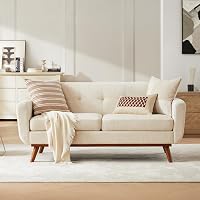
What to Look for in a Couch Before You Buy
Check fit, frame, cushions, fabric and care needs before you buy a couch. Measure the room and delivery route, then match the seat shape and materials to how you sit and clean.
On this page (7 sections)
- What should you measure before buying a couch?
- How do the frame and cushions affect a couch?
- Which upholstery should you choose?
- Should you buy a sofa, loveseat or sectional?
- Which couch features make care easier?
- Which couch details should you compare before deciding?
- What to look for in a couch before you buy
The key things to look for in a couch are fit, frame, cushions, upholstery and care. Measure the room and delivery route, then choose a shape and materials that suit your space and how you sit.
A couch can look right in a photo and still block a walkway or feel too shallow for your preferred posture. Check the dimensions, seat details and cleaning needs before narrowing your choices.
What should you measure before buying a couch?
Measure the couch footprint, room and delivery path before comparing styles. Leave space for walking, doors and nearby furniture, not just the couch itself.
Use painter's tape to mark the couch's width and depth on the floor. Sit or walk around that outline to see whether it crowds a coffee table, blocks a path or leaves enough room to use other seats.
Then measure the narrowest doorway, hallway and turn between the entrance and the couch's final spot. Check how the couch ships, since a one-box couch and a sectional with separate pieces may take different routes into the room.
For a sectional, measure both sides and the chaise area, and decide which direction works with your layout. Our guide to measuring for a sectional covers the extra measurements to take.
How do the frame and cushions affect a couch?
The frame and cushion construction influence a couch's design and support features. Check what the frame is made of, how the seat is supported and whether the cushions attach or lift off.
Couches may have wood or engineered wood frames. Seat support can come from springs or a platform foundation, while cushions may use foam or another fill.
These details help you compare construction, but they don't tell you exactly how a couch will feel to you.
Seat depth and height affect how your body meets the cushion. If you can, try a similar seat depth in person; otherwise, compare the dimensions with a couch you already find comfortable.
Check whether the back and seat cushions are attached or removable. Removable covers can make cleaning simpler, while fixed cushions may stay in position without needing to be reset.
What should you look for in a couch's seat?
Look for seat dimensions and cushion details that match your posture. A deep seat may suit lounging, while a shorter seat can make it easier to sit with your feet flat on the floor.
For a compact example, the Serta Palisades 78 Track Arm Sofa has pocket coil seat cushions filled with high-density foam and removable seat covers.
The Signature Design by Ashley Chenille Sofa has loose seat cushions and an attached back. Compare those details with your preferences for tidying, repositioning and back support.
Which upholstery should you choose?
Choose upholstery based on how it feels, how it looks and how you plan to clean it. Check the fabric type and care instructions before buying, since the same color can come in materials with different upkeep needs.
Polyester can have different textures and finishes. The Baxton Studio Sorrento 3-Seater Sofa uses velvet polyester upholstery with button tufting, while the Ashley sofa uses plush chenille made from polyester.
Think about daily use, too. A smooth or textured fabric may show lint and pet hair differently, and loose covers may be easier to remove than fixed upholstery.
Our sofa fabric comparison explains common fabric trade-offs.
For spills, check the cleaning method before choosing. The Ashley sofa's chenille upholstery is marked for spot cleaning with solvent-based cleaners, while the Serta Palisades has removable seat covers.
Should you buy a sofa, loveseat or sectional?
Choose a sofa, loveseat or sectional based on how many seats you need and how much floor space you can give up. The right size should leave room for people to move around it.
A standard sofa is a flexible starting point for a living room or den. Compare options in our best 3-seater sofas guide if you want three seats in a single piece.
A loveseat can suit a smaller room or pair with other seating. See our best loveseats guide to compare compact options.
A sectional combines seating and may include a chaise, but it needs more careful planning around walls and walkways. The Best Choice Products Reversible Chaise Sectional has a movable ottoman that can go on either side to form a chaise.
Which couch features make care easier?
Prioritize features that match the cleaning you expect to do. Removable seat covers, accessible cushions and clear fabric care instructions can make routine upkeep more manageable.
Check whether the seat and back cushions come off, and whether their covers are removable. Confirm the suitable cleaning method for the upholstery before using a cleaner.
If you have pets, consider where hair collects and whether the fabric is easy to brush or vacuum. Our guide to getting pet hair off a couch covers practical cleanup steps.
Which couch details should you compare before deciding?
Compare measurements, seat construction, upholstery and assembly needs side by side. The best fit is the one that works in your room and matches your routine.
Before you choose, ask:
- Does the couch fit the room and delivery route?
- Do the seat depth and height suit how you sit?
- Are the cushions fixed or removable?
- Does the upholstery match your cleaning routine?
- Will the shape leave clear walkways?
- Is assembly needed after delivery?
What to look for in a couch before you buy
Look for a couch that fits your room, suits how you sit and has upholstery you can care for. Pick a standard sofa for a simpler footprint, a loveseat for a smaller seating area, or a sectional when you have room for its full shape.
Compare three-seat options in our best 3-seater sofas guide, or review fabric choices in our sofa fabrics comparison.
Frequently asked questions
What should I check first when buying a couch?
Check the couch's outside dimensions against your room, doorway and delivery route first. Then compare seat depth, arm shape, cushion construction, upholstery care and frame material with your daily needs.
A couch that fits the room can still be uncomfortable or hard to maintain if its details don't suit how you use it.
How do I know if a couch will fit through my door?
Measure the narrowest doorway, hall and turn on the route to the room, then compare those measurements with the couch and its packaging. Ask how the couch arrives and whether its legs or arms come off.
For a sectional, check each piece and plan its path before delivery.
Which couch fabric is easiest to care for?
Care depends on the fabric and its cleaning instructions. Polyester appears in several upholstery types, but chenille may call for solvent-based spot cleaning, while removable covers can make some cushions easier to handle.
Check the care code and instructions before buying, especially if spills, children or pets are likely.
Should I choose a sofa or a sectional?
Choose a sofa if you want a simple footprint and a separate chair can cover extra seating. A sectional can combine seating with a chaise, but its longer sides need more planning around walls, walkways and doors.
Compare the shapes in our sectional vs sofa and loveseat guide.