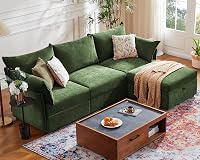
How to Get Pet Hair Off a Couch
To get pet hair off a couch, use a reusable roller or suitable rubber brush on open fabric, then vacuum seams and creases. Check the care label and test a hidden spot before you start.
On this page (8 sections)
- How do you get pet hair off couch fabric?
- How do you remove pet hair from couch seams and creases?
- Can a rubber brush lift hair from upholstery?
- Which pet hair roller should you choose?
- How do you clean cushions without damaging them?
- What mistakes make couch hair harder to remove?
- How can you keep pet hair from building up?
- Which tool should you use to get pet hair off a couch?
To learn how to get pet hair off a couch, match the tool to the surface: roll or brush open fabric, then vacuum hair caught in seams and creases. Check the upholstery care label and test a hidden spot before cleaning.
Start by lifting off removable cushions and picking up visible clumps by hand. Work in small sections so you can see where hair gathers, and clear it away before moving to the next area.
How do you get pet hair off couch fabric?
Use a reusable roller or a suitable brush in short, controlled passes over open fabric. Follow the upholstery’s surface, gather the hair into one place, and clear it before it gets pushed into seams.
A roller is usually the easiest starting point for broad, flat cushion surfaces. The ChomChom Roller moves back and forth to trap fur in a built-in compartment, which you open and empty when it fills.
For a brush, use light pressure and sweep hair into a small pile. If you’re unsure about the fabric, begin on a hidden area and stop if you see snagging, pilling, or a change in the surface.
The right choice also depends on where hair collects. A roller is suited to quick passes over larger areas; a vacuum attachment is more useful in tight gaps; a rubber brush is a compact option when the upholstery can handle brushing.
If you’re unsure which cleaning methods suit your couch, check our guide to how to clean a couch. It covers common upholstery types and care choices.
Is a reusable roller a good choice for couch hair?
Choose a reusable roller for regular cleanup on open, fabric-covered cushions. Skip it as your only tool if most of the hair is buried in deep gaps, where a crevice attachment can reach more directly.
The ChomChom Roller is manual and needs no sticky sheets. Roll it back and forth, then press the release button to open the compartment and empty the collected fur.
Use even passes rather than pressing hard, especially near seams and piping. Empty the compartment before it gets crowded so there’s room to collect more hair.
How do you remove pet hair from couch seams and creases?
Use an upholstery or crevice attachment to clean cushion edges, gaps, and corners. Move slowly along the seam so the nozzle can pick up hair instead of pushing it farther into the upholstery.
The Bissell Pet Hair Eraser Cordless Hand Vacuum comes with an upholstery tool, a crevice tool, and a motorized brush tool. Its cordless design makes it easier to move around the couch without managing a cord.
Choose this vacuum if you want one tool for open upholstery and tighter spaces, or if a roller leaves hair behind. Skip it if you only need a simple manual tool for occasional passes, or if you don’t want to manage a rechargeable vacuum.
Use the upholstery tool for the couch surface and the crevice tool around gaps. Check the care instructions before using the motorized brush, and keep the nozzle from pressing hard against piping, buttons, or loose fabric.
For a sectional, remove cushions where possible and clean each join between sections. Our guide to sectional couches explains how the sections connect and where hair can collect.
Can a rubber brush lift hair from upholstery?
A rubber brush is a good fit for suitable fabric when you want a manual tool that can gather hair into a pile. Skip it on surfaces that snag easily or when the couch care instructions warn against brushing or abrasion.
The Chemical Guys Pet Hair Removal Brush has rubber bristles designed to lift and attract hair from upholstery and carpet. Its compact shape also suits quick cleanups in a car or around the house.
Test in a hidden spot, then use short, light strokes. Pause to collect the gathered hair instead of brushing it repeatedly across the same area.
For textured fabric, follow the direction of its surface. If your couch is corduroy, our guide to cleaning a corduroy couch offers care advice for its ridges.
Which pet hair roller should you choose?
Choose the roller whose design best fits your routine: the ChomChom has a built-in compartment, while the BLACK+DECKER has a window that shows when it needs emptying. Both are reusable manual options for gathering hair from couch surfaces.
The BLACK+DECKER Pet Hair Remover Roller uses short push-pull motions and has a rubber over-molded grip. Its translucent window lets you see when the collection bin is full.
Pick the BLACK+DECKER if a visible fill indicator and a comfortable grip suit your cleanup routine. Choose the ChomChom if you prefer its back-and-forth motion and a release button for emptying.
Neither roller replaces a crevice tool for deep cushion gaps.
Whichever roller you choose, work in small sections and empty the compartment when needed. Avoid grinding the tool into the fabric or repeatedly rolling over a seam.
If your couch has removable covers, check their washing instructions before removing or laundering them. Our guide to sectionals with washable covers can help you compare couch options designed around easier cover care.
How do you clean cushions without damaging them?
Remove cushions when possible and clean each side, then the area beneath them. Check the care label first, since removable covers may have specific washing instructions and fixed upholstery may need a gentler approach.
Start with a roller or suitable brush on broad surfaces. Use an upholstery attachment along cushion edges, and a crevice tool for the narrow gap between the cushions and frame.
Don’t assume that a removable cushion has a washable cover. If the care label permits washing, follow its directions; otherwise, keep the cleanup to a suitable dry tool or seek care guidance for the upholstery.
What mistakes make couch hair harder to remove?
Avoid hard scrubbing, sharp tools, and methods that conflict with the upholstery care label. These can pull threads or change the fabric’s surface while moving hair around instead of collecting it.
Don’t soak a couch to loosen dry fur. Water can leave marks or affect some upholstery, and damp hair can be harder to gather.
Don’t use a motorized brush without checking that it suits the fabric. Keep pressure light around piping, buttons, and loose threads, and stop if the surface snags or pills.
A common mistake is trying to do the whole couch with one tool. Rollers and brushes suit broad areas, while crevice attachments reach narrow spaces; a quick pass with the right tool for each zone is usually more practical.
How can you keep pet hair from building up?
Clean your pet’s favorite spot regularly and deal with loose hair before it settles into seams. A short pass over a frequently used cushion can reduce the work of a full-couch cleanup later.
Keep a manual roller or brush nearby for quick touch-ups, and vacuum the gaps when you remove cushions. Wash removable covers only as their care instructions allow.
If pet hair is a frequent concern, compare materials in our guide to sofa fabrics for dogs. Fabric choice affects how hair collects and which cleaning methods are suitable.
Which tool should you use to get pet hair off a couch?
Use a roller for broad cushion surfaces, a rubber brush for suitable upholstery, and a handheld vacuum for seams and creases. Pick based on where hair gathers and how much cleanup you want the tool to handle.
Choose the ChomChom for reusable back-and-forth rolling and a built-in collection compartment. Choose the BLACK+DECKER roller if you prefer a visible fill window and rubber grip.
Pick the Chemical Guys brush for light manual gathering on fabric that tolerates brushing, or the Bissell vacuum when you need included upholstery and crevice tools for gaps.
To get pet hair off a couch with less guesswork, start with the least forceful tool that suits the upholstery, test it out of sight, and use a vacuum attachment for the areas a roller can’t reach. For deeper fabric-care advice, see how to clean a couch.
Frequently asked questions
What is the easiest way to get pet hair off a couch?
A reusable roller is a simple choice for open cushion surfaces: move it back and forth in short passes, then empty its collection compartment. A handheld vacuum with an upholstery tool can reach seams and creases.
Check the couch care label and try the tool on a hidden area first.
Can I use a rubber brush on a couch?
A rubber brush can gather hair from suitable upholstery when you sweep in one direction with light pressure. Check the care instructions and test a hidden spot first, since fabric types and finishes differ.
Stop if the fabric snags, pills, or changes appearance.
Should I vacuum or roll pet hair off a couch first?
Start with a roller or brush on open fabric, then use an upholstery vacuum tool for hair left in seams and cushion gaps. If the vacuum has a motorized brush, check the couch care instructions before using it on delicate upholstery.
How do I remove pet hair from couch crevices?
Lift removable cushions and guide a crevice tool or upholstery attachment slowly along each gap. A soft brush can loosen hair first, but avoid pulling threads or pressing a sharp tool against the fabric.