How to Stop Sofa Cushions From Sliding
Check the cushion fit, then add a non-slip pad under cushions that move. If the whole sofa slides on hardwood, use grippers under its feet instead.
On this page (6 sections)
To stop sofa cushions from sliding, check their fit and place a non-slip gripper pad between each cushion and the sofa base. If the whole sofa moves across the floor, use furniture grippers under its feet instead.
Lift the cushions and check for a loose cover, a folded seam, or debris on the seat base. Fixing those issues may be enough; add a pad if a cushion still shifts during normal use.
Why do sofa cushions slide?
Cushions often slide when the base is smooth or a cushion doesn't fit its cover well. A cushion that sits unevenly or has a loose cover can shift as you sit down and stand up.
Check whether the cushion is turned the wrong way, bunched inside its cover, or sitting on a wrinkle in the fabric. Brush crumbs and lint off the sofa base, then return the cushion squarely to its place.
If the sofa seat dips under a cushion, the problem may be sagging rather than a lack of grip. See how to fix a sagging couch cushion for ways to tell the difference.
How do you stop cushions from sliding without damaging the sofa?
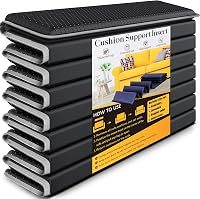
Start with a removable, non-slip pad beneath the cushion. It adds a grip layer without attaching anything to the sofa.
Lift the cushion, lay the pad on the seat base, and put the cushion back on top. Keep the pad slightly smaller than the cushion so it stays out of sight and doesn't catch when you sit down.
The Gorilla Grip gripper measures 22 x 70 in and can be trimmed with scissors. Its open-weave design is made to sit between the sofa base and cushion, not on top of the cushion.
Nevlers' pad measures 22 x 72 in and is made of PVC. It can be trimmed to fit, and Nevlers says to vacuum or wipe it with a damp cloth for cleaning.
Measure the area beneath the cushion before cutting either pad, then mark the outline. Avoid placing a pad over a recliner mechanism or other moving parts, or anywhere it could bunch.
Can hook and loop tape hold cushions in place?
Hook and loop tape can help when you want a cushion attached at specific points. Check that the surfaces can accept adhesive and that the cushion can still be removed for cleaning.
The SOURRI tape has adhesive backing and measures 4 in wide. Its instructions call for cleaning a smooth surface before applying it, but sofa fabrics and finishes vary, so test a small, hidden area first.
Don't stick adhesive to upholstery, leather, or a finish that may be affected when tape is removed. If you want to wash a cover or move cushions often, a loose pad is easier to take off.
What if the whole sofa slides on hardwood?
Use grippers under the sofa's feet when the frame moves across the floor. Cushion pads only reduce movement between a cushion and the seat base.
Slipstick GorillaPads are round, self-adhesive rubber grippers for furniture feet and hard surfaces. The package contains 8 pads; clean the feet before attaching them.
Check that each foot can hold a pad securely and that the pad won't interfere with leveling or a floor protector. If the sofa has a broad base rather than separate feet, choose a gripper made for that contact area.
For a sectional, confirm the pieces are joined correctly before adding floor pads. Our guide to moving a sectional couch explains how to separate and reconnect sections.
How do you choose the right cushion gripper?
Choose a loose pad for easy removal, and consider tape only if the sofa surfaces suit adhesive. Measure the seat first so the gripper fits without showing or bunching.
A long, trimmable pad may suit a bench seat or several cushions if one piece covers the base. A smaller piece may be easier to place beneath a single cushion.
For replacement cushions, measure the seat and cushion before ordering. Our guide to measuring for a sectional covers seat dimensions and clearance.
The same careful measuring helps when checking individual sofa cushions.
How can you keep cushions from sliding again?
Keep the base clean, return each cushion to the same position, and check the grip layer when you clean the sofa. Reposition a pad if it folds, curls, or shifts out of place.
Follow the care instructions for any pad you use, and let it dry fully before placing it back under a cushion. For routine upholstery care, see how to clean a couch.
Choose a removable gripper pad for a simple fix that stays hidden. Use floor grippers when the entire sofa moves, and try adhesive tape only when you are comfortable attaching it to the surfaces involved.
Frequently asked questions
How do I stop sofa cushions from sliding?
Check that each cushion sits fully inside its cover and rests flat on the sofa base. Then try a non-slip gripper pad beneath it, trimmed to fit if needed.
If the sofa itself moves across the floor, use suitable furniture grippers under its feet instead.
Can I use hook and loop tape under couch cushions?
Hook and loop tape can hold a cushion in place when its adhesive suits both surfaces. Test a small area first, since adhesive may affect fabric or finish when removed.
For a removable option, try a loose gripper pad beneath the cushion.
Why do sofa cushions keep sliding forward?
Cushions may slide because they are loose in their covers, the sofa base is smooth, or people push them forward while sitting. Check the fit and seams, then add a gripper under the cushion.
A sagging base or worn cushion may need a separate fix.
What can I put under sofa cushions to stop them sliding?
A non-slip cushion pad made for use between a sofa base and cushion can add grip without adhesive. Measure the seat area and trim the pad so it stays hidden beneath the cushion.
For furniture that slides across hardwood, use floor grippers under the feet.