How to Pick a Sofa Color
To pick a sofa color for white walls, compare the wall, floor, and rug undertones, then choose a shade that suits the room's light and your daily routine. Gray and beige make quieter bases, camel adds warmth, and green brings a stronger accent.
On this page (7 sections)
- How do you pick a sofa color for white walls?
- Which sofa colors work with white walls?
- How do light and undertones change sofa color?
- Should a sofa blend in or stand out?
- Which sofa color suits your daily routine?
- What mistakes should you avoid when choosing a sofa color?
- How to pick a sofa color: which one should you choose?
To pick a sofa color for white walls, compare the wall, floor, and rug undertones, then choose a shade that suits the room's light and your daily routine. Gray and beige make quieter bases, camel adds warmth, and green brings a stronger accent.
White walls give you room to choose, but the floor, wood tones, rugs, and lighting still shape how a sofa color looks. Before shopping, decide whether you want the sofa to blend into the room or stand out as its main color.
How do you pick a sofa color for white walls?
Start with the room's largest fixed colors, then choose how much contrast you want. A sofa that relates to the floor or rug usually feels more at home than one chosen by color name alone.
White paint can look warm, cool, or nearly neutral. A warm beige may suit creamy walls and honey-toned floors, while a cooler gray can pair well with stone or metal finishes.
Use this short plan:
- Identify whether the walls, floor, and rug look warm or cool.
- Decide if the sofa should blend in or become a focal point.
- Choose a main shade and one or two accent colors.
- Compare a sample in morning light and under evening bulbs.
The room's layout matters too: a large sofa puts more of its color into view. If you're still choosing the size, see our guide to choosing a 3-seater sofa.
Which sofa colors work with white walls?
Gray, beige, camel, and green all work, but they create different levels of contrast and warmth. Choose based on the finishes you already have and how prominent you want the sofa to feel.
How to pick a gray sofa color for white walls
Gray can look calm beside cooler white walls or create gentle definition against brighter paint. Check whether the shade reads blue, green, or brown in your room before choosing rugs and curtains.
The Signature Design by Ashley Chenille Sofa pairs dark gray upholstery with flared track arms and a medium-plush seat. Its chenille surface suits a room where you want a muted contrast and a soft-textured look.
This sofa is a good fit if you want gray to anchor a neutral living room and like the look of chenille. Skip it if you need upholstery that can be wiped clean with water: its care code calls for solvent-based spot cleaning.
How to pick a beige or camel sofa color
Beige and camel add warmth to a white room, especially when it already has wood or other warm finishes. Camel creates more contrast than pale beige, so it works when you want the sofa to read clearly against the walls.
The HULALA HOME sofa has camel faux leather, button-tufted cushions, and square arms. Its smooth surface and damp-cloth care suit a household that wants a warm tone with straightforward wipe-down cleaning.
Choose it if camel fits your palette and you want a long sofa for sitting or stretching out. Skip it if you want a fabric texture, a low-contrast pale sofa, or a setup with no assembly: the sofa requires assembly, and its boxes may arrive separately.
How to pick a green sofa color for a neutral room
Green gives white walls a stronger focal point while still working with many natural finishes. Repeat the shade in a plant, artwork, or small accessory to connect the sofa with the rest of the room.
The Busaurus sofa combines green upholstery with deep seats and removable back cushions. Choose it if you want the sofa itself to carry the room's main accent color and prefer extra-deep seating for lounging.
Skip it if you want a sofa that disappears into a pale palette or you have not settled on a green accent scheme. The color is a more noticeable commitment than gray or camel, so check how it looks beside your floor and large rug first.
How do light and undertones change sofa color?
View the color in the room where the sofa will sit, under both daylight and artificial light. Lighting can make the same fabric or finish look warmer, cooler, or more muted.
Place a sample beside the wall, floor, and rug, then check it at different times of day. If you can't get a sample, compare photos taken in similar light and treat screen colors as a rough guide.
White paint also varies. A warm white can make cool gray upholstery look sharper, while a cooler white can make beige seem more yellow.
Judge the sofa against the wall and floor together, rather than relying on a showroom pairing.
Should a sofa blend in or stand out?
Choose a sofa close to the room's existing colors for a quieter look, or use a darker or more saturated shade for contrast. Both approaches can work when the other large pieces support the choice.
A light sofa beside white walls may make a room feel open, but it can also make the furniture less distinct. A darker or colorful sofa is easier to see and can anchor pale floors and walls.
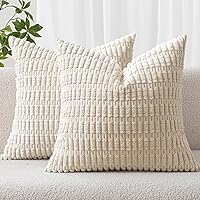
If you're unsure about a bold color, try it first in accessories. The MIULEE covers add cream-white color and striped corduroy texture; the set includes 2 covers, without inserts, and the covers have hidden zippers.
You can use the covers to test how an accent relates to a rug or artwork. Follow the care guidance: hand wash or use a gentle machine cycle with low tumble drying, and don't iron them.
For more ideas on placing accents around a larger seating piece, read our guide to styling a sectional sofa.
Which sofa color suits your daily routine?
Choose the color and upholstery together, based on how the room is used and how you'll clean the sofa. Color can help set the look, but the surface material determines which care methods make sense.
Dark or patterned upholstery may make small marks less noticeable, but it does not make a sofa stain-proof. Check cleaning guidance before buying if the sofa will see frequent spills, pets, or everyday meals.
Faux leather and chenille also create different visual textures. Compare those material tradeoffs in our guide to leather versus fabric sofas, then decide which color works with the material you prefer.
What mistakes should you avoid when choosing a sofa color?
Don't choose from a small online image alone or ignore undertones in the room. A color that looks neutral on a screen may read warmer, cooler, or brighter beside your paint and flooring.
Common mistakes include choosing a sofa before checking the rug, matching every surface too closely, and picking a bold shade without a plan for accents. You can avoid them by checking a sample in the room and choosing one or two colors to repeat.
Also think through cleaning before settling on a fabric. For example, chenille that calls for solvent-based spot cleaning may not suit someone who wants to wipe spills with a damp cloth.
How to pick a sofa color: which one should you choose?
Pick gray or beige for a quieter base, camel for warmth, or green when you want the sofa to be the room's main accent. Let the floor, lighting, and cleaning routine decide between shades that look equally appealing.
Choose the gray chenille sofa if its solvent-based spot care fits your routine. Choose camel faux leather if you want a warm look and a damp-cloth wipe-down surface, or green if you want deep seating and a more visible color statement.
Before you buy, compare the sofa color with your walls, floor, and rug in the room's actual light. For help choosing the upholstery itself, read sofa fabrics compared.
Frequently asked questions
What color sofa looks best with white walls?
Gray, beige, camel, and green can all work with white walls. The best fit depends on the wall's undertone, the floor, and how much contrast you want.
Compare a sample in the room at different times of day.
A color can look warmer or cooler under daylight and evening bulbs.
Should a sofa match white walls?
A sofa doesn't need to match white walls. A light neutral creates a quieter look, while a darker or more saturated shade makes the sofa a focal point.
Connect the choice to a floor, rug, curtain, or wood finish so the room feels tied together.
What color sofa makes a room look bigger?
A sofa close in lightness to the walls may draw less attention, which can help a small room feel more open. A dark sofa creates more contrast and can make the seating area feel defined.
Also consider the sofa's size and placement, since those affect floor space and sightlines.
How can I add color to a neutral sofa?
Use pillow covers, a throw, or a rug to add color without changing the sofa. Repeat one accent shade elsewhere, such as in artwork or a smaller accessory.
Check that pillow covers fit your inserts and follow their care instructions.